Traditionally, Gross Domestic Product (GDP) has been defined as the value of goods and services produced within a given period. However, this definition is being reshaped by the emergence of new digital economies. Globally, the gig economy—driven by online platforms, monetization models, digital currencies, and virtual communities—is challenging conventional measures of GDP and redefining how economic value is created and distributed.
At the heart of this transformation lies the Digital Creator Economy (DCE), a rapidly growing sector where individuals monetize creativity, build communities, and influence consumer behavior through digital platforms. This global trend is now firmly taking root in Sri Lanka, gaining traction in recent years as local creators embrace opportunities to connect with audiences both domestically and internationally.
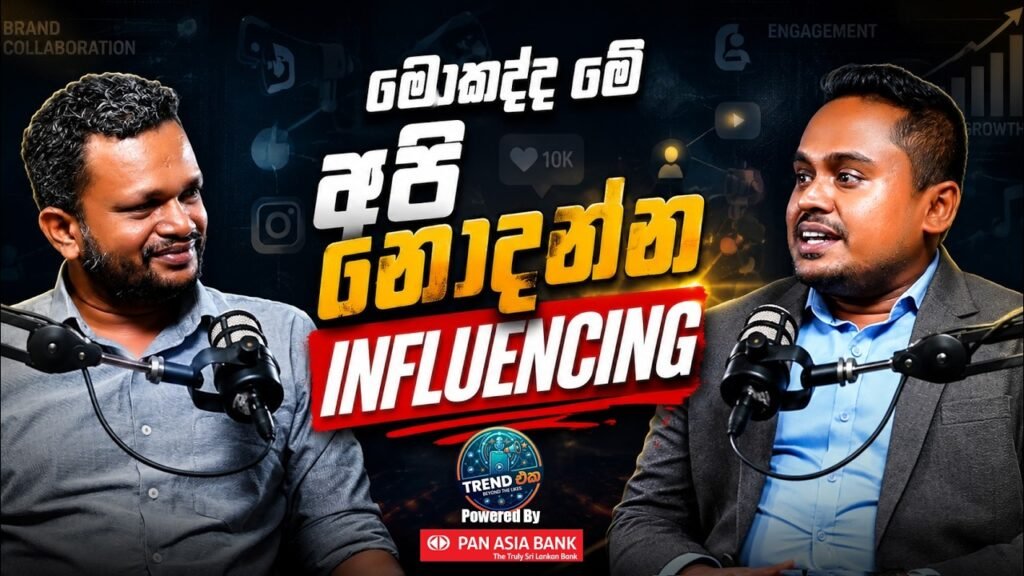
The emergence of digital creators has revitalized employment models and opened new entrepreneurial frontiers in the digital space. These creators—whether Bloggers, YouTubers, Vloggers, Podcasters, or social Influencers—are not merely entertainers; they are architects of a new economy.
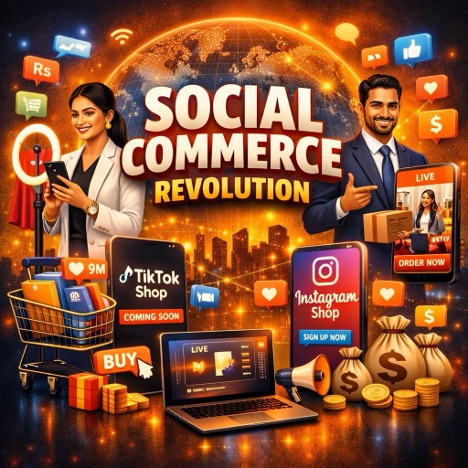
Globally, digital creators have reshaped revenue models, redefined creativity, and influenced audience behavior in unprecedented ways. By leveraging platforms such as YouTube, Instagram, TikTok, Snapchat, and others, they reach millions across the world, transforming attention into economic value. Their monetization strategies range from content creation and brand partnerships to affiliate marketing and direct audience support, creating diverse income streams that rival traditional employment.
This dynamic ecosystem is shifting the very frontiers of how work, wealth, and influence are distributed. Unlike conventional industries, the creator economy thrives on individuality, innovation, and community-building. It empowers individuals to convert creativity into capital, while simultaneously reshaping consumer engagement and redefining the boundaries of entrepreneurship.
Over the past five years, Sri Lanka’s Digital Creative Economy (DCE) has made remarkable strides, with a growing number of creators investing in the industry and producing high-quality digital content. Although still in its formative stage, the sector demonstrates immense potential to evolve into a significant contributor to the nation’s GDP, positioning itself as a new engine of economic growth.
The foundation for this expansion is strong. Internet penetration now exceeds 50% across all districts, while smartphone usage has surged, with 92% of internet users accessing content through mobile devices (Digital Outlook SL 2025). This widespread connectivity has dramatically lowered the cost of accessibility to social platforms, enabling creators to develop and distribute content more easily than ever before.
Equally important is the demographic advantage. More than 70% of Sri Lanka’s population between the ages of 18 and 44 are digitally savvy, embracing digital content both as consumers and as aspiring creators. For many in the younger generation, content creation is no longer a hobby but a viable career path, offering opportunities to build personal brands, monetize creativity, and connect with global audiences.
Sri Lanka’s cultural richness further amplifies this potential. As a renowned travel destination, the country offers breathtaking landscapes, a vibrant traditional arts heritage, and diverse multi-religious storytelling traditions. These elements provide a unique creative canvas for digital content, allowing Sri Lankan creators to stand out in the international marketplace.
Sri Lanka’s DCE is steadily emerging as a new frontier for growth, offering fresh opportunities for employment and entrepreneurship. Content creation is opening alternative career paths for young people, reducing dependence on traditional sectors and encouraging innovation. At the same time, digital creators are helping small and medium enterprises gain visibility through influencer marketing.
Beyond local impact, Sri Lankan creators have the ability to reach global audiences, effectively exporting creativity and talent to international markets. This not only enhances the country’s image abroad but also builds a foundation for Sri Lanka to be recognized as a hub for digital storytelling. The industry nurtures skills such as digital literacy, entrepreneurship, and innovation, equipping the younger generation with tools to thrive in a rapidly evolving global economy.
However, the path forward is not without challenges. The lack of formal recognition and certification for creators limits the industry’s credibility, while monetization opportunities remain relatively constrained compared to global standards. Stronger governance frameworks are also needed to ensure transparency, fair compensation, and sustainable growth. Addressing these issues will be crucial if Sri Lanka is to fully harness the potential of its digital creative economy and transform it into a significant contributor to national development.
Taken together, these factors highlight the transformative opportunity before Sri Lanka. With the right support, investment, and policy framework, the DCE can grow into a thriving industry that not only generates employment and entrepreneurial opportunities but also positions Sri Lanka as a hub for digital creativity in the region. The journey has only begun, but the trajectory is clear: Sri Lanka’s digital creative economy is poised to make its mark on the global stage.