Sales channels have always evolved with consumer behavior. We began with general trade — corner shops and traditional retail that built the foundation of commerce. Modern trade followed, with supermarkets and organized chains reshaping how people bought everyday goods. Standalone outlets gave brands dedicated spaces to showcase their identity, while e‑commerce disrupted geography itself, allowing customers to shop from anywhere at any time. Each of these shifts forced sales leaders to adapt, and those who embraced change early reaped the rewards. Now, another disruption is here: social commerce. And unlike previous transitions, this one is unfolding at unprecedented speed.
Globally, social commerce is no longer experimental. Analysts project it will reach $1.2 trillion in Gross Merchandise Value (GMV) by 2026, accounting for nearly 17 percent of all e‑commerce spend. Platforms are driving this momentum. TikTok Shop crossed $33 billion GMV in 2024 and is expected to hit $60 billion in 2026, while Instagram Shopping engages over 130 million monthly users tapping product posts. Facebook Marketplace already connects 1.1 billion active buyers worldwide. In Asia, live shopping has become mainstream, with influencers hosting sessions that generate thousands of transactions in minutes. In the Middle East, Instagram Shop is seamlessly integrated into brand strategies, while in Europe, TikTok Shop is rapidly expanding, turning entertainment into commerce. These examples show how quickly social commerce embeds itself once platforms launch. Sri Lanka has yet to see Instagram Shop or TikTok Shop officially rolled out, but when they do, the shift will be swift. Those who prepare now will be ready to capture the opportunity; those who hesitate will watch competitors — local and international — take the lead.
Sri Lanka is still at the early stages of this revolution, but the signals are clear. By 2026, the country is expected to have around 4.2 million social commerce users, spending an average of LKR 8,500 (about USD 24) per month. Digital payments are rising fast, with 68 percent of transactions conducted via mobile wallets or online gateways. With 9 million social media identities and internet penetration at nearly 60 percent, the market is primed for rapid expansion. Yet most Sri Lankan sales professionals continue to rely on cold calls, face‑to‑face pitches, and outdated methods. The gap between global practice and local adoption is widening — and it represents both a risk and an opportunity.
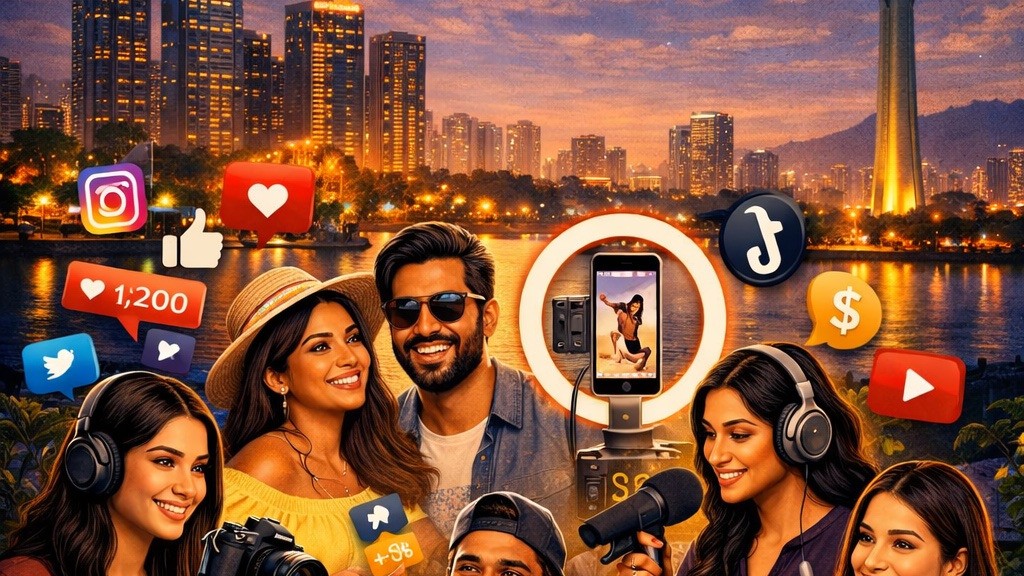
Sales leaders cannot afford to wait because the revolution is already underway elsewhere. While content creators are emerging as the next intermediaries of sales channels, sales professionals themselves can be trained to perform like influencers. Instead of outsourcing influence to external creators, companies can empower their own teams to become micro‑influencers and social ambassadors. A sales executive who shares product stories, customer success cases, or live demonstrations builds trust far more credibly than a paid influencer with no direct connection to the brand. This shift transforms the sales force into a network of digital advocates, each capable of driving conversions through their own social presence. It also ensures that influence remains aligned with brand values, rather than being diluted by external voices.
The action steps are clear. Sales professionals should begin by building their social brand, positioning themselves as trusted voices in their industries. They must learn to create content that sells — videos, posts, and live sessions that highlight expertise and solve customer pain points. Even before official launches in Sri Lanka, they can experiment with Facebook Shops, WhatsApp Business, and TikTok engagement features to understand how social commerce works. Measuring ROI is critical: tracking engagement, conversions, and revenue impact will prove the business value of these efforts. Most importantly, companies must invest in training — equipping sales teams with digital storytelling skills, platform fluency, and affiliate marketing know‑how so they can act as influencers for their own brands. In doing so, they will not only drive sales but also strengthen customer relationships by becoming authentic voices of the brand.
The social commerce revolution is not a distant future; it is today’s reality. For Sri Lankan sales leaders, this is more than a trend; it is the earnings channel they cannot ignore. Those who act now will define the future of selling. Those who wait risk being left behind. The evolution of sales channels has always rewarded those who adapt early. Social commerce is the next leap — and it is time for Sri Lankan professionals to step forward with confidence, ready to pioneer this transformation before global platforms officially arrive.
This is your moment. Sri Lankan sales leaders have the chance to lead, not follow — to shape the future of commerce in this country and beyond. The tools are ready, the customers are waiting, and the opportunity is vast. The revolution will not wait. Neither should you.